A Nerd Meets Food book review
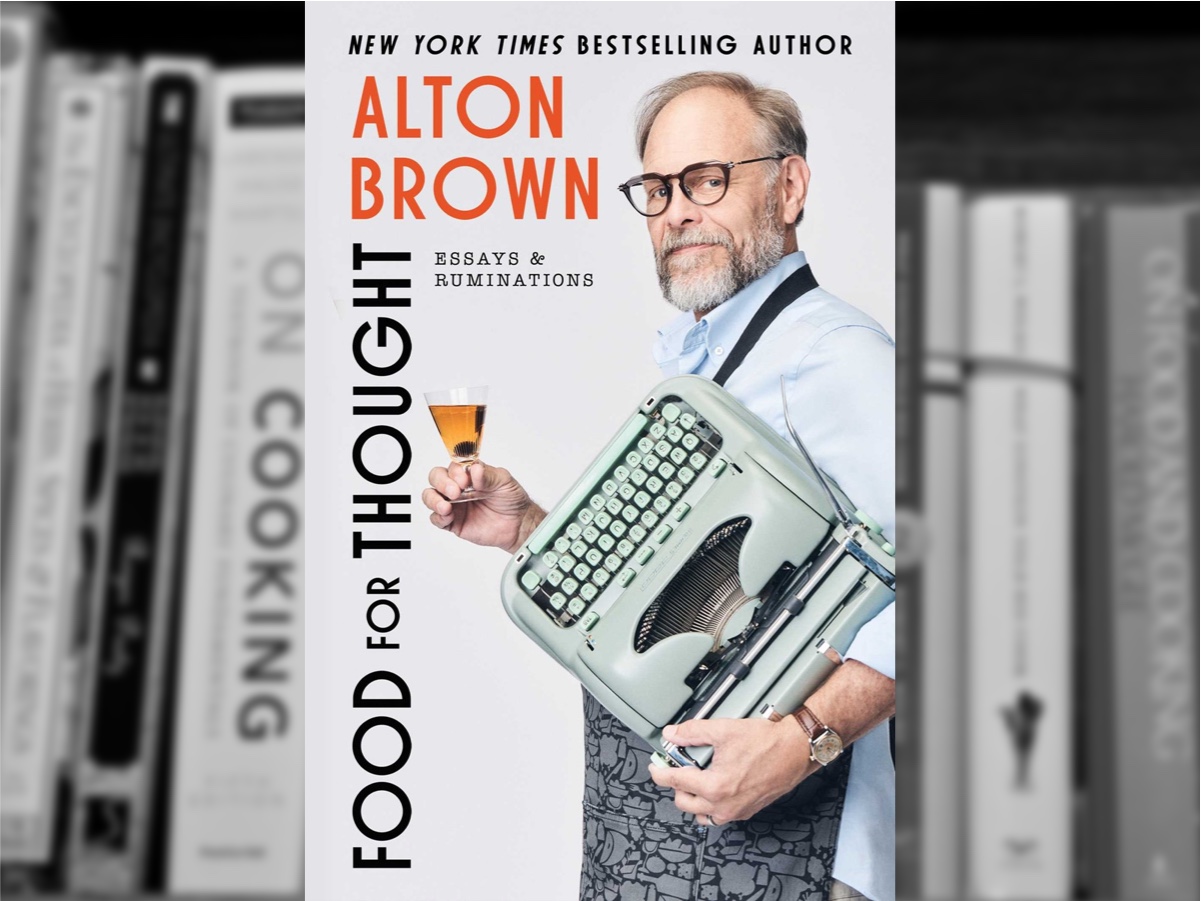
I’ve always admired Alton Brown for his ability to combine food, science, and entertainment. From Good Eats to his cookbooks, Brown has built a career around explaining not just how we cook, but why things work in the kitchen. So, when I picked up Food for Thought: Essays & Ruminations, I expected a familiar combination of culinary curiosity, scientific insight, and his unmistakable sense of humor.
What I discovered was something rather different—and thoroughly enjoyable.
Food for Thought represents an interesting departure from Brown’s previous writing. Rather than focusing on recipes, techniques, and the chemistry of cooking, he turns his attention to something more personal: the experiences, memories, and emotions that shape our relationship with food. It’s less about what happens inside the saucepan and more about what happens around the dinner table.
And that, I think, is what makes this book special.
A Familiar Literary Flavor
As I worked my way through the essays, I couldn’t help thinking about Jeffrey Steingarten’s The Man Who Ate Everything, which happens to be one of my favorite books of all time.
What I find particularly interesting about these two authors is that neither approaches food primarily as a chef. Instead, they write as passionate food enthusiasts, driven by curiosity and an almost obsessive fascination with everything culinary.
Steingarten, a journalist by profession, approaches food as an adventurous investigator, questioning conventional wisdom and sometimes going to extraordinary lengths to satisfy his curiosity. Brown, although trained in the culinary arts, has traditionally explored food through science, experimentation, and a fascination with how things work.
Despite their different backgrounds, they share something fundamental: food is not merely something to prepare and consume, but something to investigate, experience, and occasionally obsess over.
That shared enthusiasm comes through beautifully in Food for Thought. Like Steingarten, Brown combines personal experiences, humor, strong opinions, and culinary adventures into entertaining stories. I could almost sense the spirit of The Man Who Ate Everything in his writing. Whether that reflects a direct influence or simply two similarly curious minds exploring the same subject, I found the resemblance delightful.
The Man Behind the Science
Perhaps the most refreshing aspect of Food for Thought is the opportunity to experience a different side of Alton Brown.
We’re accustomed to seeing him as the knowledgeable, sometimes eccentric food scientist who can explain everything from protein denaturation to heat transfer. Here, however, we encounter a more reflective storyteller.
His observations are often funny, occasionally sentimental, and frequently revealing. Food becomes a vehicle for exploring experiences and memories rather than merely a subject for scientific investigation.
Other reviewers have praised the book’s humor, personality, and autobiographical nature. Some readers have also found the collection uneven, with certain essays making a stronger impression than others. I can understand that criticism, although it didn’t significantly diminish my enjoyment.
A New Direction Worth Exploring
If I have one reservation, it’s that Brown’s literary voice occasionally feels as though it is still evolving in this particular format. His familiar humor and distinctive personality are certainly present, but I sometimes wished the storytelling had been developed a little further. Compared with Steingarten’s wonderfully polished culinary adventures, Brown’s essays can feel slightly less cohesive.
That said, I see this more as an opportunity than a shortcoming. Brown has spent decades teaching us how food works. With Food for Thought, he demonstrates that he also has plenty to say about what food means. I hope he continues exploring that territory.
Final Thoughts
Food for Thought is funny, personal, thoughtful, and thoroughly entertaining. It may not have the scientific depth of Brown’s earlier work, but that’s precisely the point. This is a different kind of culinary journey, inviting us to appreciate the memories, personalities, and experiences surrounding the food we eat.
For longtime Alton Brown fans, it’s an opportunity to discover another dimension of a familiar personality. For readers who enjoy the literary food adventures of Jeffrey Steingarten, it’s a welcome addition to the genre.
I thoroughly enjoyed this book, and I would happily read more of Alton Brown’s essays. After all, food has always been about much more than what ends up on our plates.