

Preface: A Return to Where It All Began
Many years ago, when I first started blogging, my blog was called A Chef’s Blog (you can read more about the history of this blog here). And, fittingly enough, the very first article I ever published was about coffee (a post that made it to this blog as 3C Coffee). Now, as I begin this new chapter with the renewed NerdMeetsFood, I find it only fitting, perhaps even a little poetic, that my first article should once again be about coffee. In a way, I’ve come full circle. But this is more than an opportunity to revisit an old subject. It is also an opportunity to revisit some of the things I wrote back then, recognize where my understanding may have been incomplete, and correct mistakes I might have made along the way. This time, I want to take a deeper, more rigorous look at the science behind one of the world’s most beloved beverages.
Will everything in this article be 100% scientifically accurate? That is certainly what I’m striving for. But can I guarantee it? Of course not. And if I discover that something I’ve written is incorrect, incomplete, or outdated, there will be a correction or a follow-up. Because that is one of the most beautiful things about science. Science does not claim to have all the answers, nor does it pretend to be infallible. It recognizes its limitations, questions its assumptions, acknowledges its mistakes, and, most importantly, corrects them as new evidence becomes available. Our understanding evolves, and that is a strength, not a weakness. So, with that philosophy in mind, let’s return to where it all began and explore the remarkably complex, endlessly fascinating science of coffee. And perhaps, along the way, we’ll discover that there is a lot more happening in that little cup than we ever imagined.
Introduction: The Science Behind Brewing Better Coffee
Coffee is probably one of the most complicated beverages we prepare every day, yet most of us take it for granted. We make it (or sometimes we stop at a coffee shop to grab one in a paper cup, often loaded with dairy and sugar), without giving much thought to what actually happens during the magical process of brewing. We buy some beans, grind them, add water, and somehow end up with a delicious beverage. Sometimes. If you are anything like me the quality of the beverage varies considerably in terms of flavor, aroma, and mouthfeel. The coffee sometimes tastes bitter, sour, weak, or simply disappointing. We can blame the beans, the coffee maker, or perhaps our lack of caffeine when we made it, but at the end it is the attention to the details that matters. What if I told you that making coffee is actually a combination of chemistry, thermodynamics, fluid mechanics, mass transfer, and sensory science? Because that is exactly what it is.
In many ways, brewing coffee is a complex chemical extraction process. We have a raw material containing hundreds of compounds, a solvent (one of the most versatile solvents), a mechanism for bringing the solvent into contact with the material, and a series of operating parameters that determine the composition of our final product. Small changes in these parameters can produce dramatically different results. It doesn’t have to be that way, though.
What makes the process particularly fascinating is that we have several distinct stages, each contributing something different to the final beverage. The coffee bean provides the raw chemical ingredients. Roasting transforms those ingredients, creating new flavor compounds while destroying or modifying others. Grinding determines how accessible those compounds become. Water acts as the extraction medium, and the brewing process controls how much of the available material is transferred from the roasted coffee into our cup.
This last distinction is especially important. Brewing does not create all the flavors we associate with coffee. Many have already been developed during growth, processing, and roasting. Brewing determines how much of that chemical potential is extracted, under what conditions, and in what proportions. It is, fundamentally, a process of controlling mass transfer. You want to optimize the extraction process so you get most of the good compounds (compounds that taste good and caffeine) while minimizing the extraction of undesirable compounds.
So, let’s put on our imaginary lab coats (probably your morning robe, Star Wars themed is always preferred) and examine what happens between opening a bag of coffee beans and taking that first wonderful sip.
1. The Bean: Where Everything Begins
Before discussing grinders, coffee makers, or water temperatures, we need to understand our most important ingredient: the coffee bean. Technically, it is not even a bean but the seed of a fruit commonly called the coffee cherry. Long before the beans are exposed to heat, their chemical composition has already been influenced by the plant’s genetics and the environment in which it grew. Like any agricultural product, its characteristics depend on genetics, growing conditions, harvesting, and processing. That also means that it can be dramatically different from harvest to harvest and year to year. Typically big companies like to mix different crops to get a more standardized flavor profile.
The coffee cherry typically contains two seeds, surrounded by several layers of fruit tissue. Once harvested, those seeds undergo processing and drying before becoming the green coffee beans delivered to roasting facilities. The process before the roasting can include, simple washing and drying, fermentation, and in some extreme cases the digestion of the whole cherry by tiny mammals, while the recovery of the bean involves digging through… excrement. But those are very peculiar cases. I just can’t imagine the desperation of the fella who discovered it. He stored his coffee and the little mammal got to it and he was left without coffee. Upset and angry jailed that animal and waited for it to… discard the coffee beans, so he can use it. He overlooked the funky odor, processed the beans and a great coffee was born. Allegedly.
Arabica Versus Robusta
Two of the most commercially important coffee species are Coffea arabica and Coffea canephora, commonly known as Robusta. Arabica is generally appreciated for its aromatic complexity, sweetness, and diverse flavor profiles, ranging from floral and fruity to nutty, chocolate-like, and caramel-like. Robusta typically contains more caffeine and often exhibits a stronger, earthier, woodier, or more bitter character. It can also contribute substantial body and crema to espresso blends.
However, neither species can be described by one flavor profile. Growing conditions, processing, roasting, and preparation can significantly influence the final result. In fact, these factors can be more important than the type of coffee bean itself. A well-produced Robusta can be more interesting than a poorly processed Arabica, and personal preference ultimately matters more than the name on the bag.
Origin and Growing Conditions
Just like wine grapes, coffee develops characteristics influenced by its environment. Altitude, rainfall, temperature, sunlight, soil conditions, and agricultural practices affect how the coffee cherry develops. In cooler, higher-elevation environments, coffee cherries may mature more slowly, influencing the accumulation of flavor precursors. But altitude alone does not guarantee superior coffee.
For example, Ethiopian coffees are frequently associated with floral and citrus-like characteristics, while Brazilian coffees often lean toward chocolate, nuts, and caramel. These are general tendencies rather than rules. Coffee is an agricultural product, and its variability is part of what makes it fascinating.
Processing: What Happens After Harvesting?
Once coffee cherries are harvested, the seeds must be separated from the surrounding fruit and dried. The method used can dramatically influence the final flavor.
In washed processing, much of the fruit is removed before drying, usually with a fermentation or other mucilage-removal step. Washed coffees often exhibit cleaner flavor profiles, distinct acidity, and greater clarity. In natural processing, the entire cherry is dried with the seed inside, allowing extended contact with fruit material and associated microbial activity. This can produce pronounced fruity, sweet, and sometimes fermented characteristics.
Honey processing falls somewhere between these approaches. The outer skin is removed, but some of the sticky fruit mucilage remains during drying. Depending on the process, the result can combine sweetness, fruitiness, and clarity. These treatments modify the chemistry of the raw material before we even begin roasting.
Roasting: A Chemical Transformation
Raw green coffee beans neither smell nor taste like the coffee we know. Roasting transforms them through an extraordinarily complex network of chemical reactions. Among the most important are the Maillard reactions, involving reducing sugars and amino compounds. I should write a post about Maillard, a scientist whose name is mostly associated with steaks, baking, and coffee, even though his contributions to biochemistry extend far beyond those applications. These reactions contribute to browning and the formation of numerous flavor-active substances. Sugar degradation, including caramelization-related chemistry, contributes further to the roasted flavor profile.
During roasting, the beans lose moisture, expand, become more porous, and release gases, including carbon dioxide. Lighter roasts generally retain more characteristics associated with the original coffee, while darker roasts develop stronger roasted, smoky, and bitter notes. Neither approach is inherently superior; they simply produce different chemical compositions and sensory experiences. It all comes down to personal preference. If you like toasty, nutty flavors darker roasts are better. If you like more fruity, lively characteristics lighter roasts are better.
An important detail is that roasting creates flavors but also destroys some of them. Many aromatic compounds are volatile or thermally unstable. As roasting progresses, some compounds form while others degrade or escape. The flavor in our cup is therefore the result of both creation and destruction. There was a rumor that I also shared before in the blog, about the fact that roasting removes caffeine. That is partially correct, but the difference is not substantial to be noticeable and often is obscured by the sourced coffee or the type of coffee.
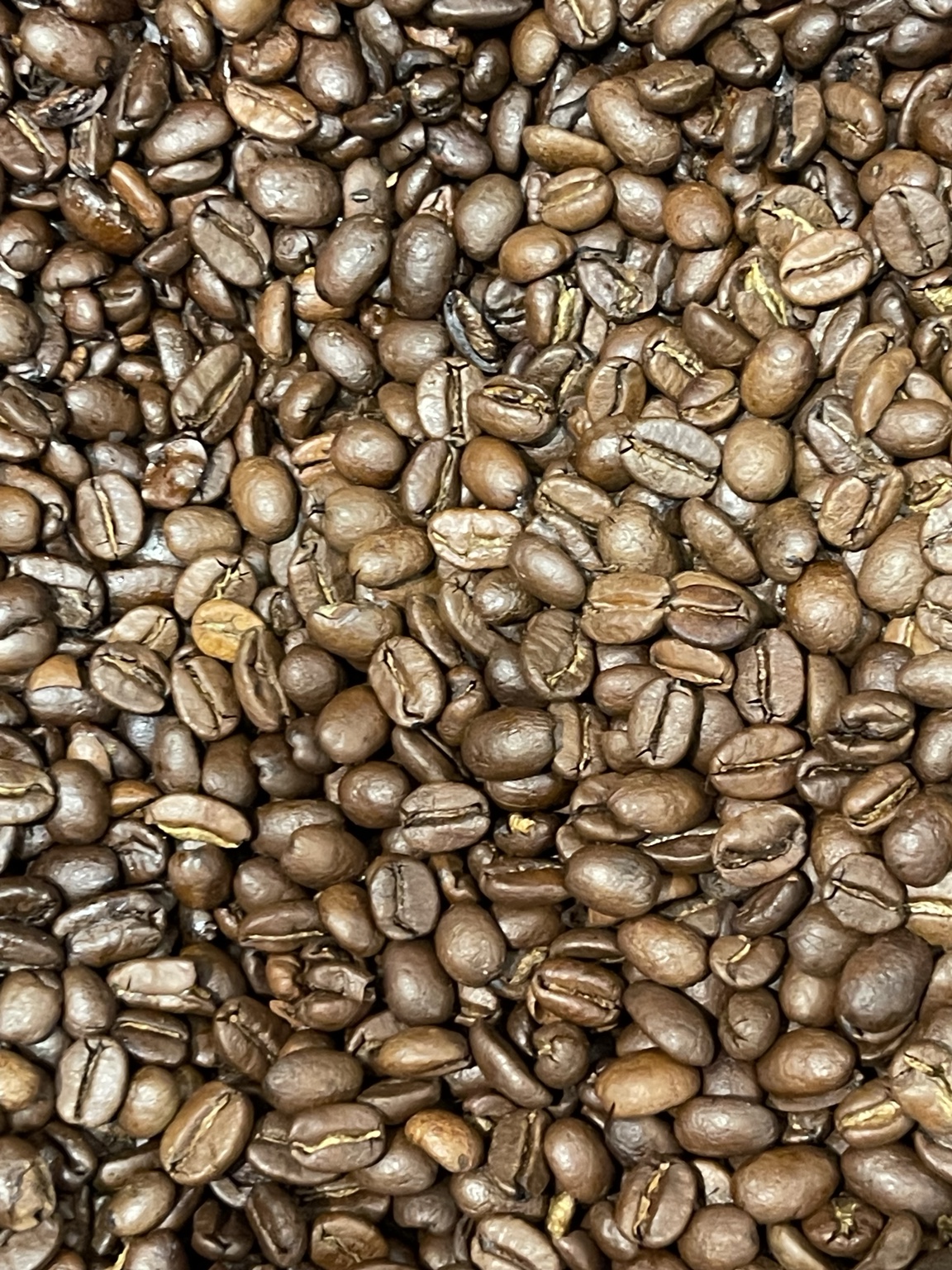
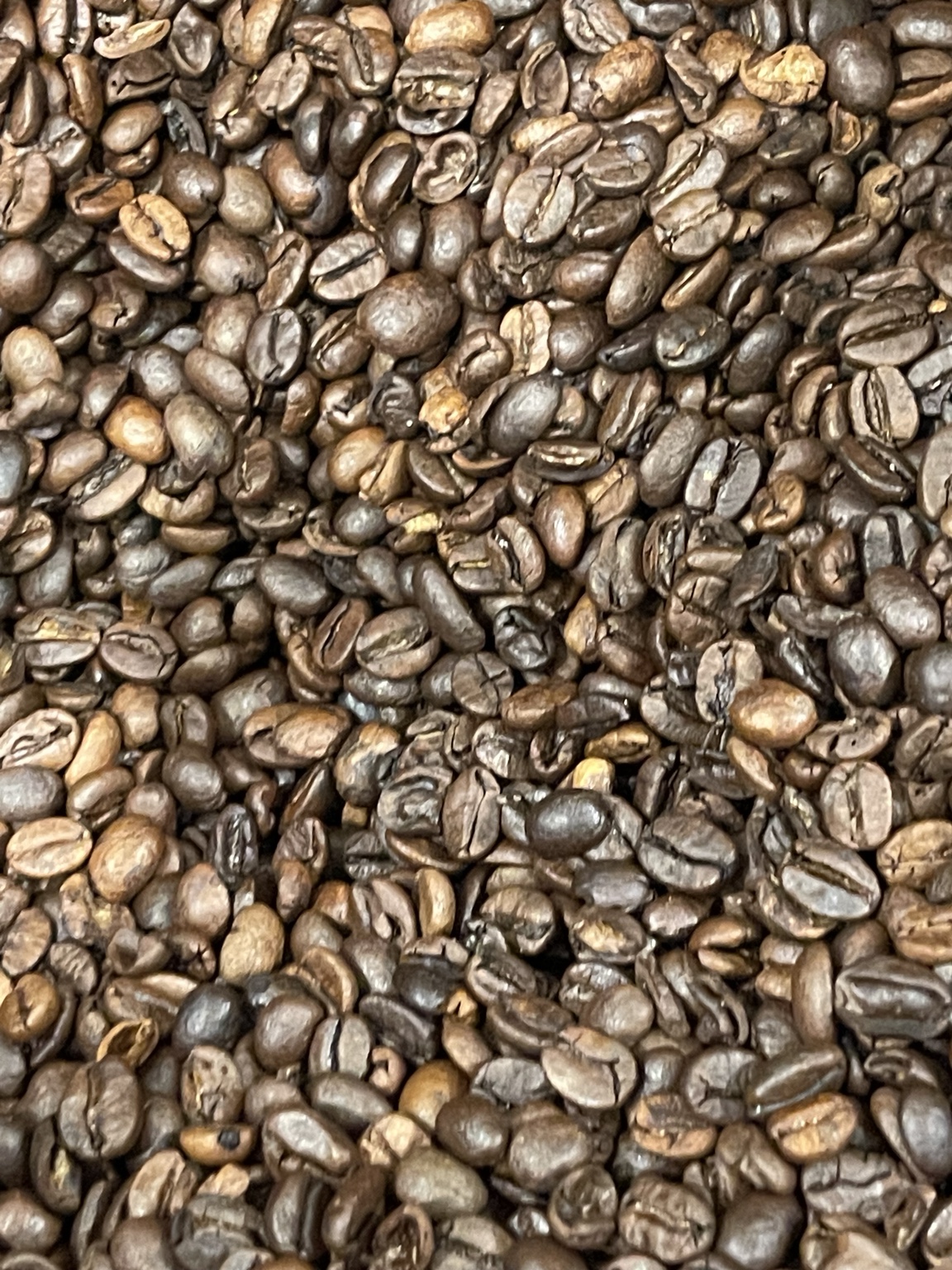
You also pay attention to the appearance of the roasted beans. There are two types of blends; those that are blended before roasting and those that are blended after roasting. The former is what I personally like since it yields uniform roasting. A uniform roast color can be one useful indicator of consistent roasting, although color alone cannot establish quality. Very dark beans may develop visible oil on their surfaces as the internal structure changes and lipids migrate outward. This is not necessarily a defect, but it can provide clues about roasting intensity and may influence storage and grinder maintenance.
Freshness and Storage
Coffee contains numerous volatile aromatic compounds, and these do not remain unchanged indefinitely. Exposure to oxygen, moisture, heat, and light can accelerate the deterioration of desirable characteristics. Grinding increases the exposed surface area dramatically, making ground coffee particularly vulnerable to aroma loss and oxidation.
For this reason, I prefer buying whole beans and grinding them shortly before brewing. Proper storage in an airtight container, away from heat and direct sunlight, helps preserve their quality. For longer storage, carefully sealed and moisture-protected portions may be frozen successfully. I recognize, however, that not everyone owns a grinder or is willing to get one. That is fine. Still you can buy whole beans, use the store grinder to grind them and store them in an airtight container. Just buy what you will use in a week, no more than that.
Freshness also has an interesting relationship with espresso. Roasted coffee retains carbon dioxide, which gradually escapes through a process known as degassing. Extremely fresh beans can release substantial gas during brewing, affecting extraction and crema formation. Allowing an appropriate resting period after roasting can therefore improve consistency.
Our first lesson is simple: the flavor of coffee begins long before water touches the beans.
2. Coffee Brewing Water: The Most Overlooked Ingredient
Here is something that always surprises me. People will spend hundreds, sometimes thousands, of dollars on coffee equipment and carefully selected beans, only to fill their machines with whatever water comes out of the faucet. Think about that for a moment. A typical cup of filter coffee is approximately 98–99% water by mass, yet we often treat it as though it were a chemically inert ingredient.
It is not. Water is the solvent responsible for extracting soluble compounds from coffee, and its mineral composition, acidity, and alkalinity can affect both extraction and flavor. In many cases, improving water quality can make a more noticeable difference than upgrading an already competent coffee maker. If you like the taste of your tap water, it may be perfectly suitable. A filter can improve its quality, while bottled water can offer greater consistency, depending on its mineral composition.
Water Is Not Just H₂O
Natural drinking water contains dissolved minerals and ions, including calcium (Ca²⁺), magnesium (Mg²⁺), bicarbonate (HCO₃⁻), sodium (Na⁺), and potassium (K⁺). These ions are what make the water taste like water. I know you think water tastes like nothing but it does, the different ratios between these ions is what gives differences to the different water brands. These constituents also influence the chemistry of the brewing environment. Magnesium and calcium can interact with certain coffee compounds, while bicarbonate plays a particularly important role in controlling alkalinity.
Two important concepts are frequently confused: hardness and alkalinity. Hardness is primarily associated with dissolved calcium and magnesium, whereas alkalinity describes water’s capacity to neutralize acids, usually because of bicarbonate. They are related in many natural water sources, but they are not interchangeable. Both matter for coffee. Coffee naturally contains organic acids that contribute brightness and complexity. Water with high alkalinity can neutralize some of those acids, making the beverage taste flatter and less vibrant. Very low-alkalinity water may allow acidity to become more pronounced. As with so many things in coffee, the objective is balance rather than maximizing or minimizing a single parameter.
Distilled water contains very little dissolved mineral content, but removing minerals and buffering capacity does not automatically produce better coffee. Similarly, extremely hard water may negatively affect flavor and promote mineral scale inside brewing equipment. The Specialty Coffee Association has historically recommended clean, odor-free water with moderate mineral content and controlled hardness and alkalinity. The exact ideal composition depends on the coffee and desired flavor profile.
Fortunately, you do not need to become a water-treatment engineer to enjoy good coffee. Although, personally, I would find that entertaining. A suitable drinking-water filter or appropriately mineralized water may be enough to improve your brewing considerably. One simple experiment is to prepare two identical cups of coffee with different waters. Keep the bean, grind size, coffee-to-water ratio, temperature, and brewing time constant. Compare the acidity, bitterness, body, and overall balance. Depending on the waters selected, you may discover differences that are surprisingly easy to recognize.
3. Coffee Grind Size: Where Surface Area Meets Mass Transfer
Now we have our beans and our water. The next step is grinding. Why do we grind coffee? The obvious answer is that smaller pieces are easier to brew, but the actual explanation involves surface area, diffusion, and fluid mechanics. A whole coffee bean is a relatively large less porous object with a smooth surface. If immersed in water, the water will take time to get in, and the soluble compounds must travel relatively long distances through the material before reaching the surrounding liquid. Grinding breaks the bean into smaller particles, increasing the surface area exposed to water while reducing the diffusion distances. Both effects generally accelerate extraction.
The Mathematics of Surface Area
Imagine a sphere with radius length a. Its total surface area is:
A = 4πa²
If we divide this cube into eight smaller pieces, each with half the original radius, the combined volume remains unchanged, but the total exposed surface area doubles. Divide the particles further, and the available surface area continues increasing.
For ideal particles of similar shape, specific surface area increases as particle size decreases. This is a fundamental principle of particle engineering, and it applies directly to coffee. Did I mentioned that I have a PhD in particle Engineering? No? Well now you know. Smaller particles expose more material to water and generally allow soluble compounds to move into the liquid more quickly.
Why Not Grind Everything into Powder?
If smaller particles improve extraction, why not grind everything as finely as possible? Because extraction is only half the problem. The other half is fluid mechanics When water passes through a packed bed of ground coffee, it travels through the spaces between individual particles. As particle size decreases, these pathways generally become narrower and the bed’s resistance to flow increases. Extremely fine particles can slow drainage, clog filters, and contribute to uneven extraction.
In espresso, resistance is necessary because it helps control the flow of water under pressure. But excessive resistance can produce unstable flow or encourage water to travel through preferential pathways. We are therefore balancing two competing objectives: maximizing extraction efficiency while maintaining controlled liquid flow.
Particle Size Distribution: Why the Grinder Matters
A grinder does not produce perfectly identical particles. Instead, it creates a particle size distribution containing larger particles, smaller particles, and extremely fine material known as fines. These fines extract quickly and can substantially influence hydraulic resistance.
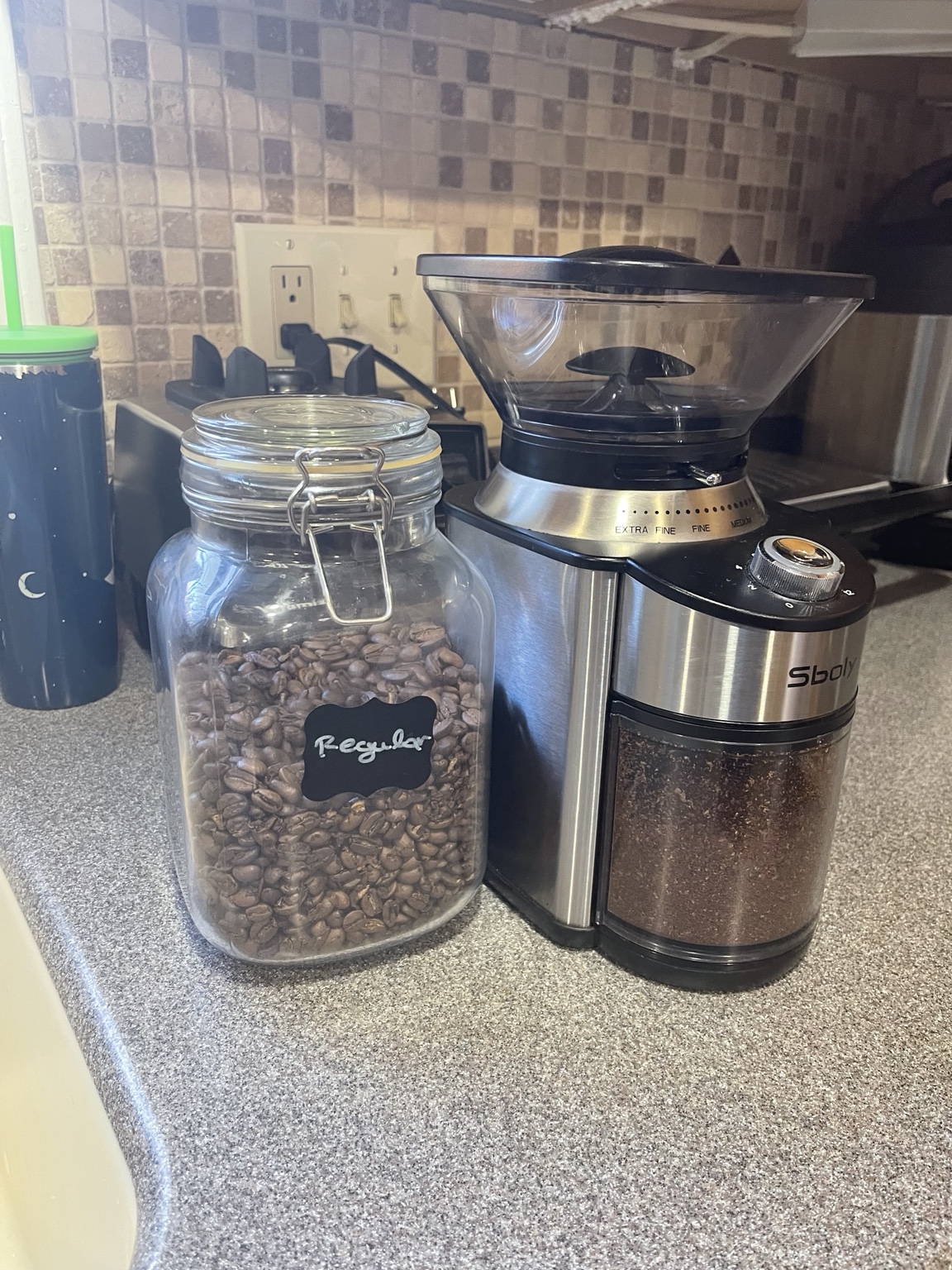
A good grinder produces a reasonably controlled and reproducible particle size distribution. This is why burr grinders are generally preferred for precision brewing. Burr grinders break the beans between two surfaces separated by an adjustable gap, while blade grinders use repeated impact from rapidly rotating blades. Blade grinders can certainly make drinkable coffee, but controlling and reproducing their results is more difficult. Further the beans have a single pass through the burr while repeateadly pass through the blades.Even for the Burr style grinder The vertical one has a finner particle size because the coffee has less contact with the burr stones.

Generally the blade grinders have a bad rep but they are not as bad if you know how to use them. First you don’t need to overload them. Gring in in small batches, less than the grinder can take. Also pulse grind with a strong shake in between the pulses. The added benefit is that you can grind spices with your coffee, and because it is wide open you can also clean it perfectly. In the burr grinders cleaning is not easy and teh remaining coffee oxidizes easy and taints the next batch.
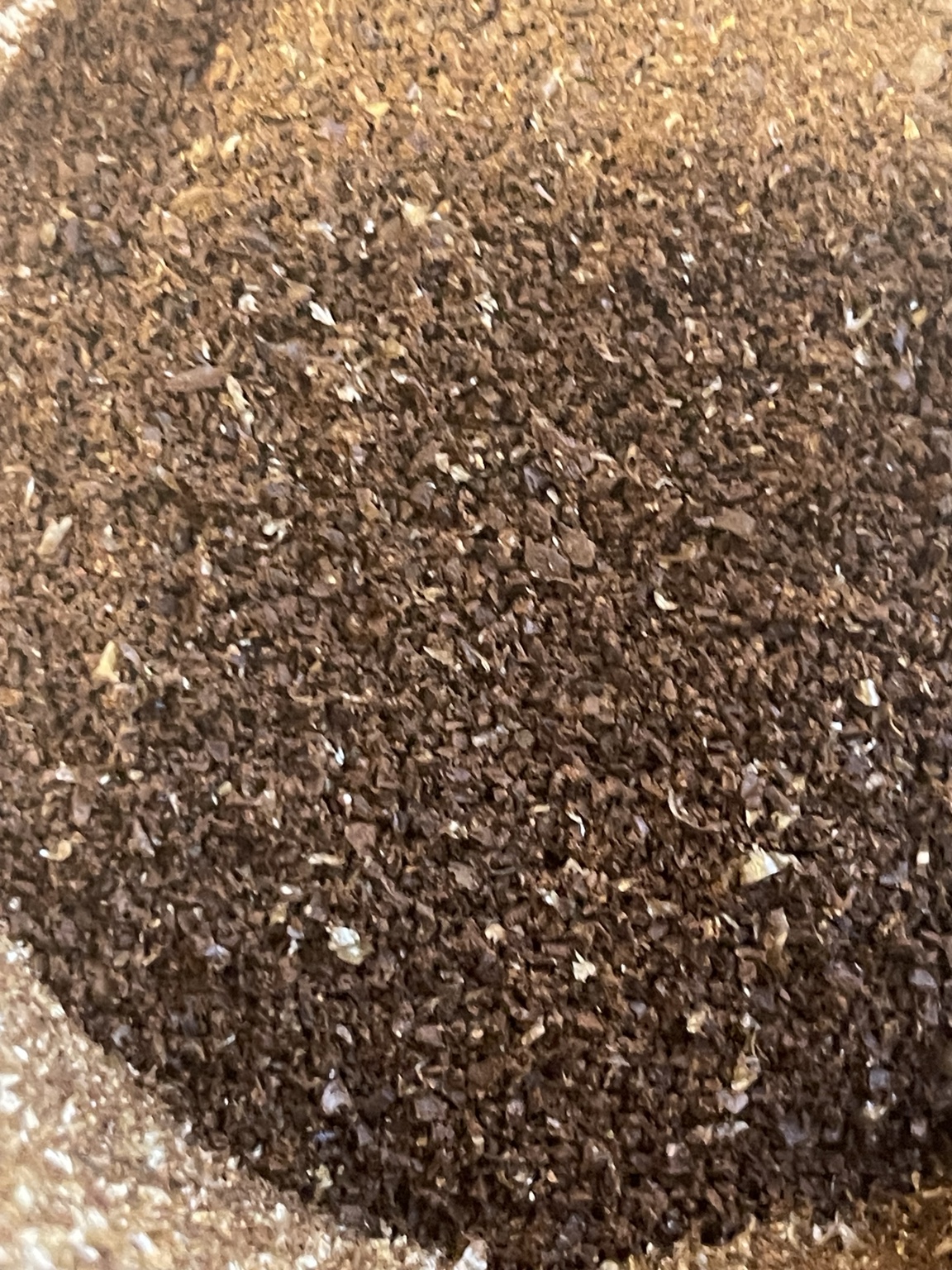
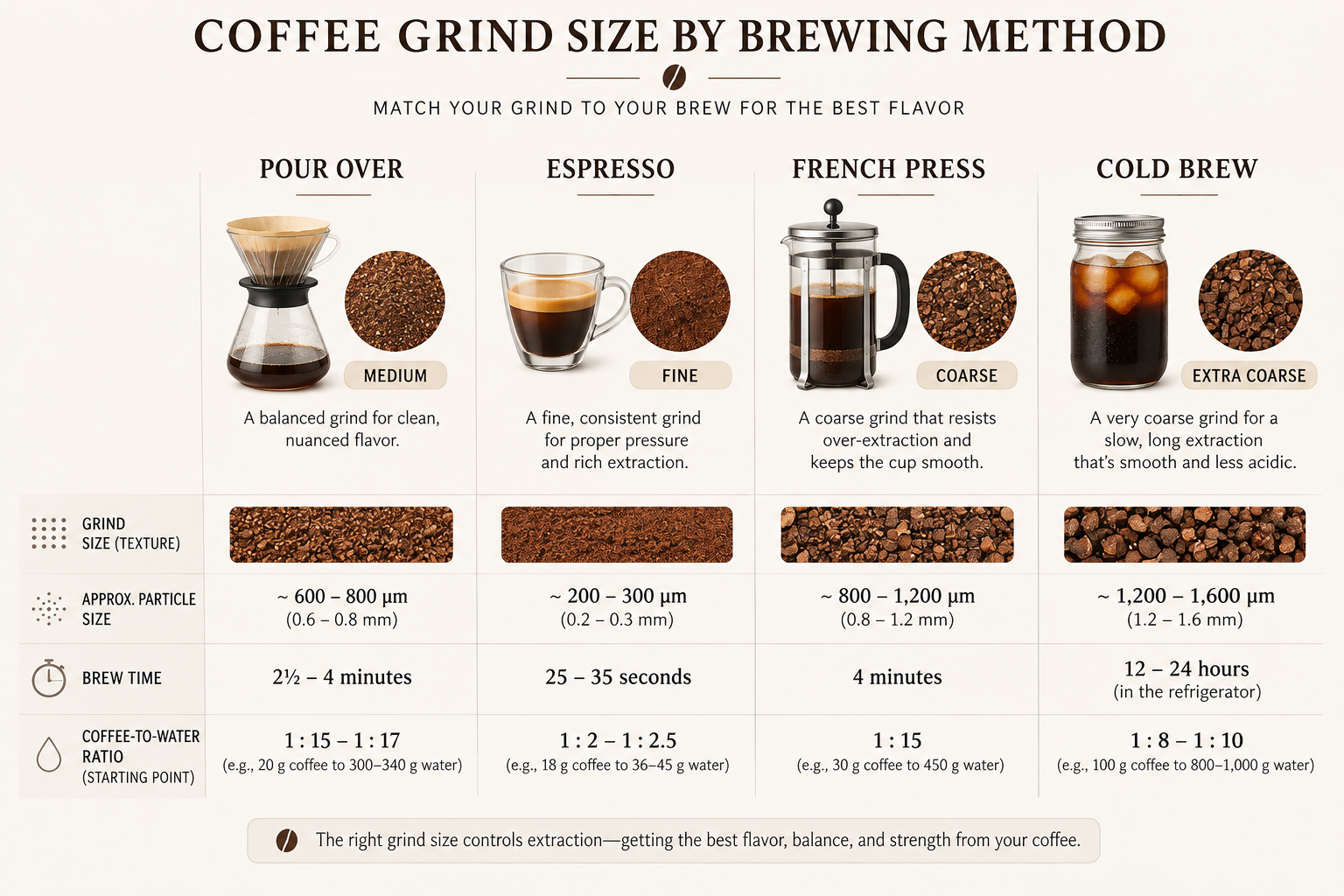
The ideal grind also depends on the brewing method. Regardless of the coffee the contact of the water with the grounds is what determines the exctraction. If the water moves quickly, you need a finer grind like espresso that generally requires fine particles. Pour-over and drip coffee typically use medium to medium-fine grinds; French press usually benefits from a coarser grind as the contact of coffee and water is prolonged and the french press mesh can let smller particles to get thorugh. Finally cold brew frequently uses medium-coarse or coarse particles since the contact is really long. These are starting points rather than universal rules. The best grind depends on the beans, equipment, recipe, and desired flavor. And as any engineer will appreciate, reproducibility is just as important as achieving a good result once.
4. Extraction: The Chemistry Behind Brewing
We made it all the way to here. I can practically smell the coffee. Extraction! The heart of coffee brewing. Roasted coffee contains a complex mixture of soluble and insoluble compounds contributing to aroma, acidity, sweetness, bitterness, color, and mouthfeel. When water contacts ground coffee, soluble material begins moving from the solid particles into the liquid. At a simplified level, water first wets the particles and enters their accessible pores. Soluble compounds dissolve and diffuse toward the particle surfaces, where convection and mixing transport them into the surrounding liquid. This combination of dissolution, diffusion, and fluid movement is a classic mass-transfer problem.
This is also where the distinction between roasting and brewing becomes critical. Roasting establishes much of the chemistry available for extraction, but the brewing process determines how much of that material reaches the cup. Two different brewing methods can produce dramatically different beverages from the same roasted beans because they extract and retain different proportions of the available compounds. Some compounds need more time to diffuse out of the grounds, other compounds are much quicker, Some are not even water soluble.
Temperature and Contact Time
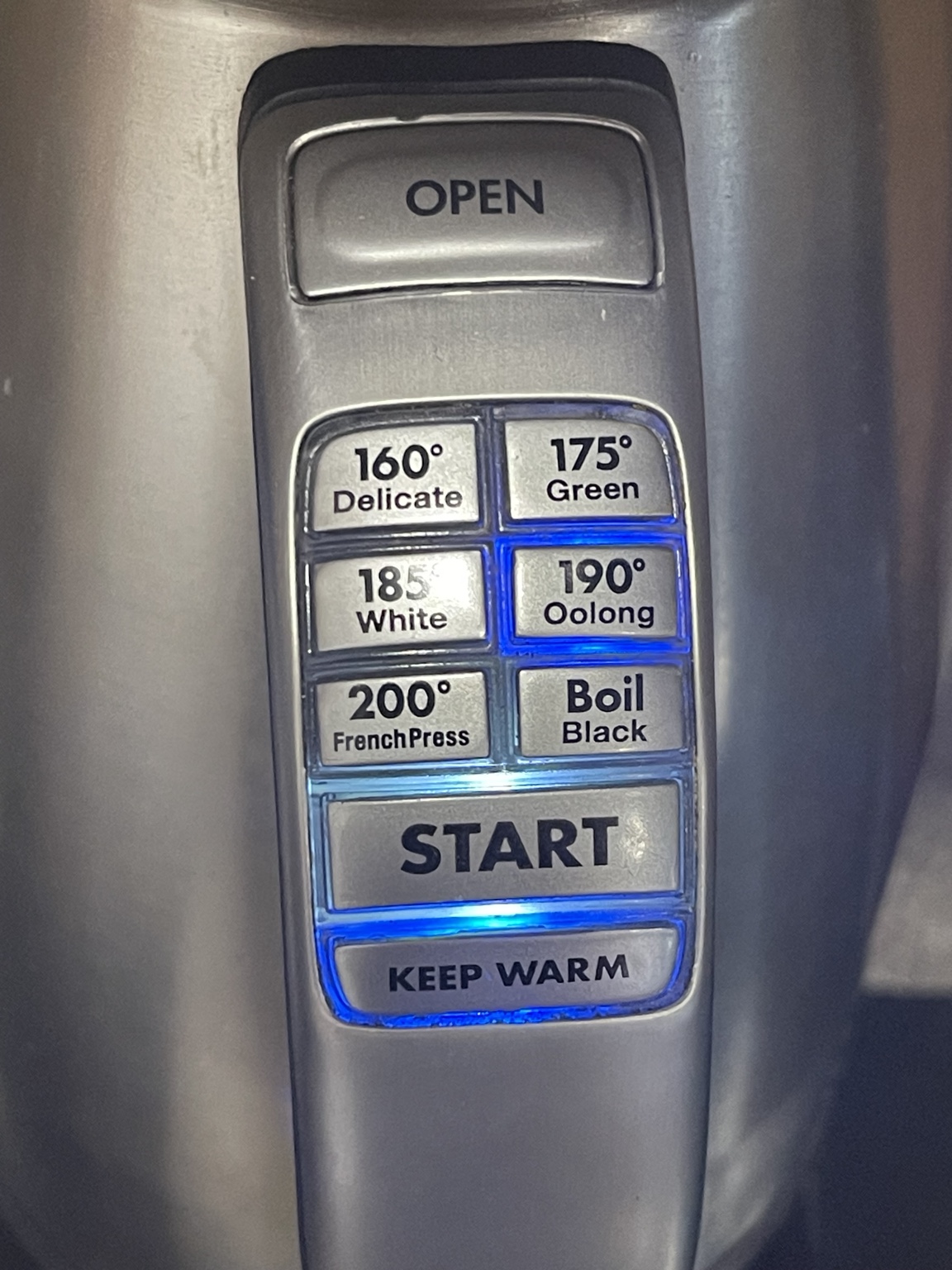
Temperature influences extraction by changing molecular mobility, diffusion rates, and solubility. Generally, higher temperatures accelerate extraction, but different compounds respond differently. Hotter water does not automatically make better coffee; it changes the extraction environment and potentially the balance of compounds in the beverage. Not to mention that the water boiling or heating can alter the balance of the compounds are soluble in the water, ions etc.
Contact time is equally important. Insufficient contact may leave desirable compounds under-extracted, producing an unbalanced, thin, or sour-tasting cup. Excessive extraction can increase bitterness and astringency. However, coffee compounds do not emerge in perfectly separated stages. Acids, aroma compounds, and bitter constituents can extract simultaneously at different rates. A note here that I don’t talk much for the automatic drip machines. I personally don’t find the useful, as you have no control over the water rate or the water temerature. I find them loaded with a host of useless crap, bells and whistles that add nothing in the proces. A simple pour over funnel is all you need.
Extraction Yield Versus Strength
Two important measurements are often confused: extraction yield and beverage strength. Extraction yield describes the fraction of the original dry coffee mass that dissolves into the beverage. Strength describes the concentration of dissolved coffee solids in the finished drink, usually expressed as total dissolved solids, or TDS. Suppose we brew 20 grams of coffee and extract 4 grams of soluble material. Our extraction yield is 20%. If those 4 grams are dissolved in 300 grams of finished coffee, the beverage strength is approximately 1.33% TDS.
These measurements describe different aspects of the process. Coffee can be strong but poorly extracted, or relatively dilute despite a high extraction yield. Adding more coffee does not necessarily solve an extraction problem; sometimes the grind, temperature, contact time, or flow behavior needs adjustment instead. For traditional filter coffee, extraction yields around 18–22% and beverage strengths of approximately 1.15–1.35% TDS have historically served as useful reference ranges. They provide a starting point, not a universal definition of deliciousness.
Often a strong coffee is refered to a bitter coffee. That is simple a badly extracted coffee. Ultimately, the most important measurement remains the one made by your palate. As long as you enjoy what you drink and you are looking forward to drink more, then keep doing what you do.
5. Coffee Brewing Methods: Espresso, French Press, Pour-Over, and Cold Brew
All brewing methods perform essentially the same operation: bringing water into contact with ground coffee, extracting soluble material, and separating the beverage from the remaining solids. What changes is how each method controls temperature, pressure, contact time, mixing, and flow.
Espresso: High Pressure, Short Time
Espresso is one of the most fascinating examples of fluid mechanics in the kitchen. Finely ground coffee is packed into a portafilter basket, and hot water is forced through the compacted bed under pressure. A conventional starting recipe might use 18 grams of coffee to produce 36 grams of espresso in approximately 25–35 seconds, with water around 90–96°C and brewing pressure near 9 bar.
The system depends on the interaction between pressure, grind size, packing density, and hydraulic resistance. If the grind is too coarse, water may flow through too quickly. If it is excessively fine, resistance can become too high. Uneven distribution can cause channeling, where water preferentially follows paths of lower resistance, creating uneven extraction across the coffee bed. There are actually several tools that have emerged recently as a method to break coffee clumps, Espress tamper with the spring to apply even constant pressure, a puck screeel to even out the water distribution, and the list goes on.

Uneven particle distribution in the coffee puck explains why espresso can simultaneously taste sour and bitter. Different regions of the coffee bed may have experienced different extraction conditions, even though the overall brewing time appears normal. Espresso also produces crema, a foam formed largely through carbon dioxide release and interactions with surface-active coffee compounds. Although crema contributes to appearance and texture, its thickness is not a reliable measurement of espresso quality.
My Favorite Iced Espresso
I enjoy coffee in many forms, but one preparation I particularly like involves a freshly made shot of espresso and a small electric frother. Instead of adding milk or cream, I vigorously aerate the espresso, incorporating tiny air bubbles into the liquid and creating a rich, creamy foam. I then pour it over ice. The result is remarkably satisfying. The beverage develops a velvety texture without requiring any dairy, illustrating how changing the physical structure of a liquid can alter our perception of it. This is a fascinating example of surface chemistry, because natural coffee constituents help stabilize some of the introduced bubbles. The foam is not chemically or physically identical to espresso crema. Crema is formed primarily through gas release as pressure decreases, while mechanical frothing incorporates atmospheric air. Nevertheless, both demonstrate how manipulating a beverage’s physical properties can change its sensory characteristics.
I have several tiktok and Youtube shorts that show you how to make it. Recently starucks created something similar to this called Aercano that is essentially an whipped iced americal. The hot shot of espresso is poured over ice and the steam wand is used to melt the ice completely while intergrating air in the form of foam. it is served over fresh ice. The final product is a velvety and cream, mildly tasting beverage that is refreshing and dalicious, but also quite expensive.
French Press: Immersion and Time
French press approaches extraction differently. Instead of continuously passing fresh water through a packed bed, the grounds remain immersed in water for several minutes. A practical starting recipe is 30 grams of coffee with 500 grams of water, using a medium-coarse grind and approximately four to five minutes of initial steeping.
As extraction progresses, the concentration difference between the coffee particles and surrounding liquid decreases. This makes immersion brewing relatively forgiving compared with flow-sensitive methods such as espresso. It does reaquire however a good mixing in the begining to wet all the particles and eliminate any dry patches.
French press also uses a metal mesh filter rather than paper, allowing more oils and fine suspended particles to remain in the beverage. The result is often a fuller body and richer mouthfeel. One important detail is that pressing the plunger does not stop extraction; as long as the grounds remain in contact with the liquid, extraction can continue. Decanting the finished coffee helps maintain consistency. I also typically add the grounds in a big strainer before adding them and I wash them with cold water, or at least shake them, so the dust that is generated during the grinding process does not make it in the final brew. It can changes the taste profile as it keeps extracting in the decander or even in the cup.
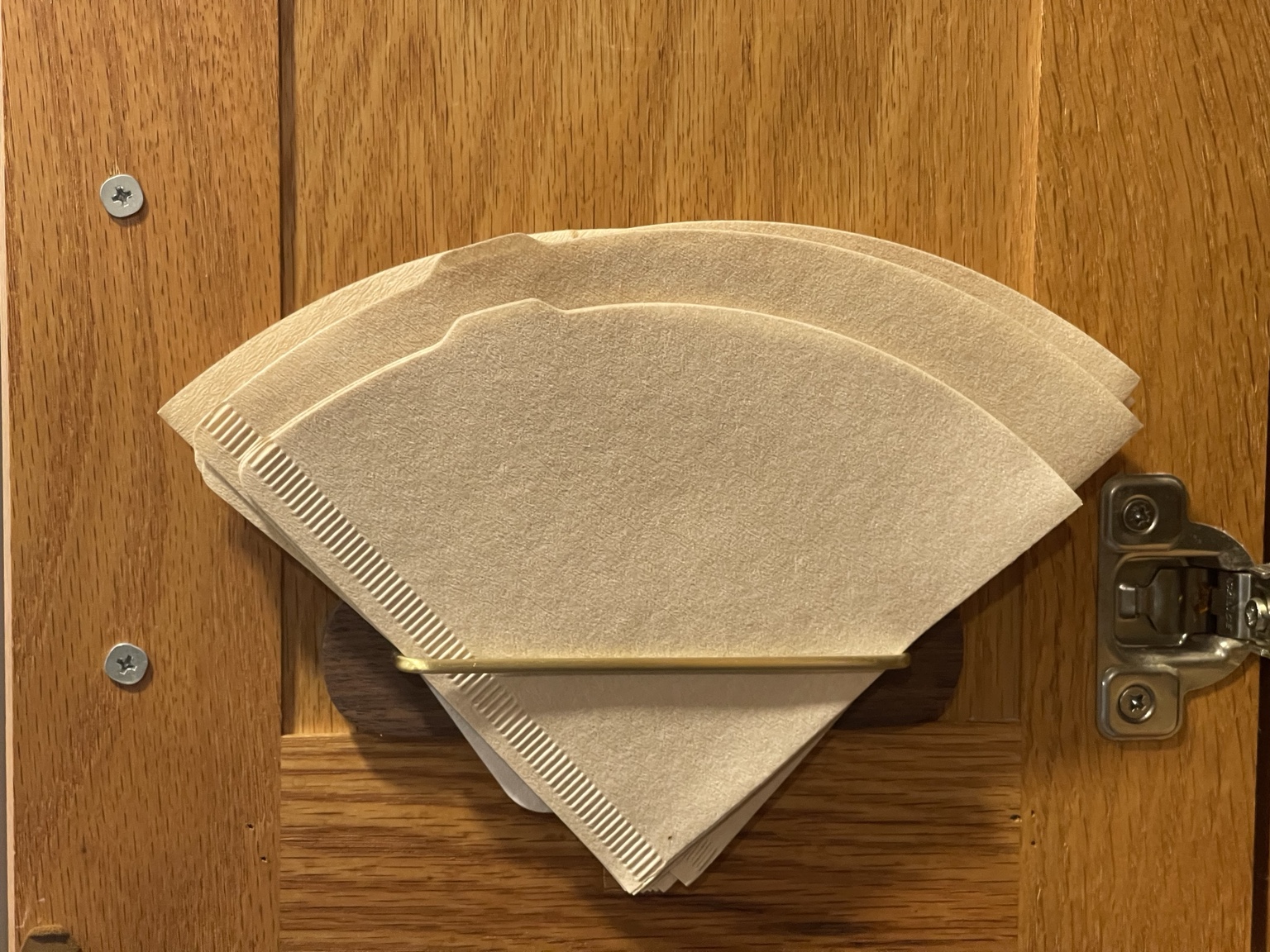
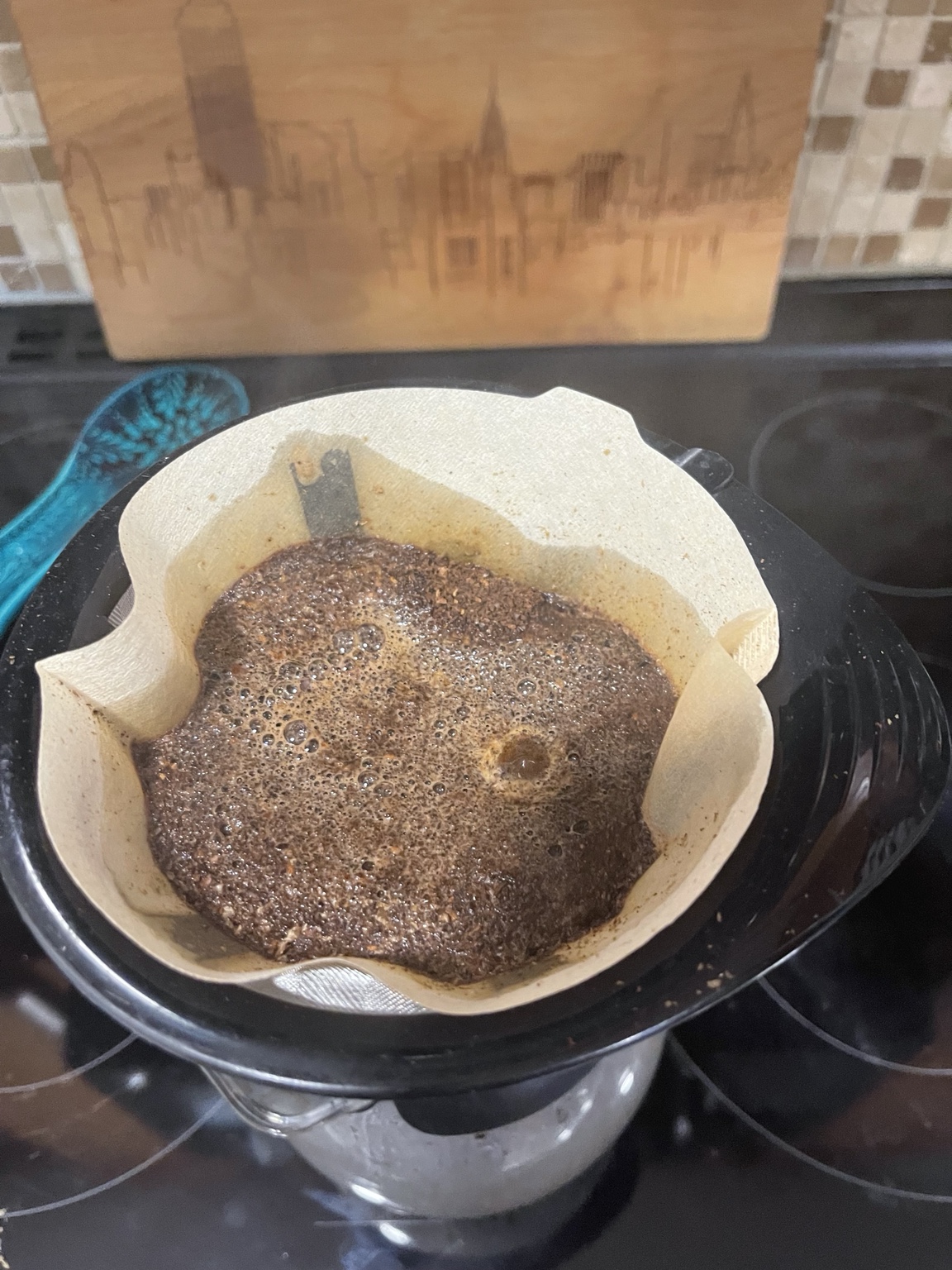
Paper filters help retain fine particles and oils during brewing.
Filter Coffee: Gravity and Flow
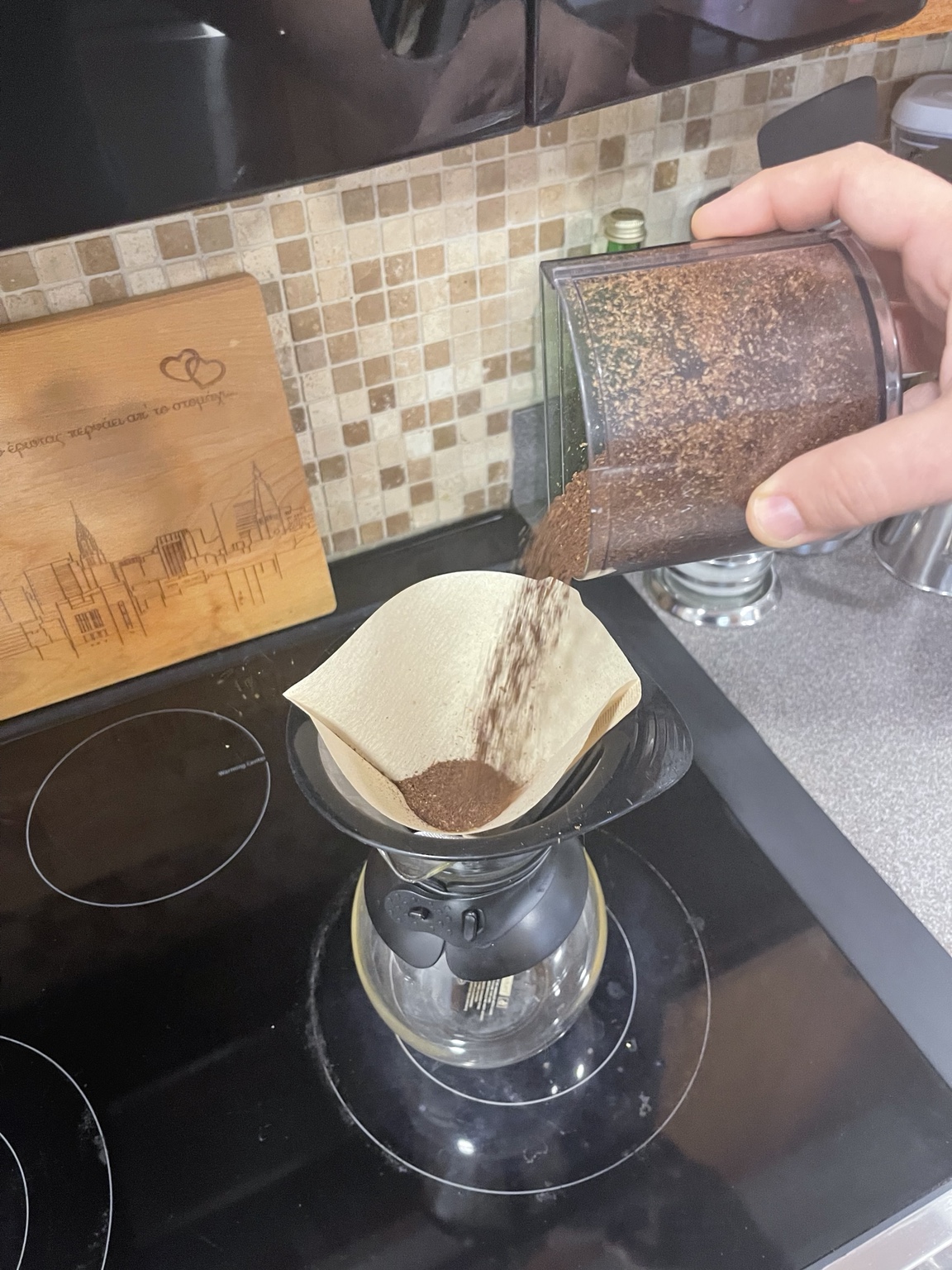
Filter coffee, including pour-over and automatic drip brewing, relies primarily on gravity to move water through the coffee bed. Although the process appears simple, extraction depends on grind size, bed depth, water distribution, filter resistance, and agitation. Pouring technique therefore matters. Water poured aggressively into one location may create different flow pathways than water distributed gently and evenly across the bed. Paper filters also retain much of the suspended sediment and some oil-associated material, contributing to a cleaner mouthfeel.
After adding the coffee in the filter add jsut a small amount of water to wett the grounds. That will bloom the coffee which essentially means that the grounds will expand, the pores will open and the extraction will be more even and effificnetly. During this process you will see bubbles and the coffee will seem as breathing. That is the air that is trapped inbetween the particles, but also trapped CO2 that can be also trapped since the roasting process. CO2 generally difuses easier, but freshly roasted coffees still containing some.
A useful starting ratio is 30 grams of coffee to 500 grams of water, approximately 1:16.7. Water around 92–96°C is a reasonable starting temperature. From there, grind size and pouring technique can be adjusted according to the flavor and behavior of the brew.
Cold Brew: Trading Temperature for Time
Cold brewing challenges the assumption that coffee must be extracted with hot water. In this method, ground coffee remains in contact with cool or refrigerated water for several hours. Because many extraction processes proceed more slowly at lower temperatures, contact time is increased to compensate. It is a for m of the heisenberg principle where the time (t) multiplied with the tempreature (T) results in the same constant.
\( T \times t = C_{Coffee} \)
Reduce the temperature, increase the time, reduce the time increase the temperature. Cold brew is not simply hot coffee that has been refrigerated. Extraction temperature can influence the resulting chemical composition and sensory characteristics. Cold brew is often perceived as smoother, less bitter, and less sour, although these differences depend strongly on roast level, concentration, and brewing conditions.
One common misconception is that cold brew must be dramatically less acidic. Research shows that pH, titratable acidity, and perceived sourness do not necessarily change together. Two coffees can have similar pH values yet very different sensory experiences. For a practical starting recipe, combine 100 grams of coarsely ground coffee with 1 liter of cold water. Mix thoroughly, cover, and refrigerate for approximately 12–16 hours before filtering. The result can be served over ice or diluted with water or milk, depending on its strength. Longer brewing is not automatically better. The goal is to reach the desired extraction and flavor, not simply to maximize contact time.
One of the greatest advantages of cold brew is that the process is fully scalable. You can make as much as you want. I usually make 5 liters at a time. I take a pound of coffee, put it in what is essentially a giant tea bag, and immerse it in approximately 6 liters of water. The coffee grounds will absorb some of the water. I leave it on my counter for up to 36 hours and once strained through a filter (yes you still need to have it through a coffee filter to get rid of the dust floating around) I keep in the fridge for up to two weeks.
Greek Coffee: A Different Approach
Having grown up in Greece, I cannot discuss coffee preparation without mentioning traditional Greek coffee, closely related to Turkish coffee and other regional preparations. It breaks all the rules. The water is boiling, the coffee grounds boil in with the water and superfine ground. This method differs significantly from espresso, French press, and filter brewing. The coffee is ground into an exceptionally fine powder and combined with water in a small pot known as a briki. The mixture is heated carefully until foam rises toward the surface, then poured directly into small cups without filtration.
Because the grounds are exceptionally fine, their exposed surface area is enormous, allowing relatively rapid extraction during heating. Unlike espresso, no substantial externally applied pressure is required. Unlike French press, the solid particles are not mechanically separated from the liquid. Instead, they gradually settle to the bottom of the cup.
The foam, known as kaimaki, is an important characteristic of the preparation. My parents don’t drink coffee that does not have the right kaimaki. Careful control of heat helps develop it without allowing the coffee to boil over violently. The flavor can be intense, and the fine suspended material creates a distinctive texture. This is also a preparation that encourages patience. You cannot simply swallow it quickly without disturbing the grounds. The coffee gradually changes as it cools and settles, making it as much a ritual as a beverage.
6. Flavor: Acidity Is Not the Enemy
This brings us to one of the most misunderstood characteristics of coffee: acidity. Many people associate acidic coffee with poor quality, but acidity is not necessarily a defect. In fact, it can be one of the qualities that makes a coffee exceptional. Think about food. A ripe orange has acidity. A beautiful wine has acidity. A fresh tomato has acidity. These acids contribute brightness, freshness, and complexity. Without them, many foods and beverages would taste flat. Coffee is no different. But when acidity becomes overwhelming, something may have gone wrong during extraction. Excessive sourness is often associated with under-extraction, although the beans themselves also play an important role.
Acidity Versus Sourness
Although frequently used interchangeably, acidity and sourness carry different meanings in coffee tasting. Acidity often describes pleasant brightness and liveliness, while sourness commonly describes an excessively sharp or poorly balanced sensation. A well-extracted coffee may have delicate citrus-like acidity that complements its sweetness and aroma. An under-extracted coffee may taste aggressively sour, thin, and incomplete. Both experiences involve acid-related sensations, but the overall flavor balance is very different.
The important question is not whether coffee is acidic, but whether its acidity works harmoniously with the other flavor components.
Why pH Does Not Tell the Whole Story
As scientists, we naturally want to quantify acidity using pH, but sensory acidity is more complicated. pH reflects hydrogen ion activity, while titratable acidity describes the amount of base needed to neutralize acidic constituents to a specified endpoint. Two coffees can have similar pH values yet different concentrations and combinations of organic acids, resulting in noticeably different flavors. Studies of coffee chemistry have demonstrated that perceived sourness may correlate more closely with titratable acidity than with pH alone. I think this is analogous to pickles; some are made with vinegar and some are made with fermentation that produces light lactic acid. Although the pH is similar the two can taste quite different. I will leave it up to you to figure it out.
This illustrates an important limitation of analytical measurements: they describe aspects of a chemical system, but they do not necessarily capture the complete human sensory experience.
Bitterness, Sweetness, and Balance
Bitterness also gets an undeserved reputation. A certain amount is normal and can contribute complexity, much like the pleasant bitterness of dark chocolate. Caffeine contributes to bitterness, but many other compounds are involved, including roasting products derived from chlorogenic acids. Excessive bitterness becomes problematic when it overwhelms the other sensory characteristics.
Sweetness presents another interesting phenomenon. Unsweetened coffee generally contains very little sugar, yet it may exhibit intense caramel, honey, chocolate, or fruity sweetness. Much of this comes from aroma and how our brains integrate smell with taste. Compounds associated with sweet foods can create an impression of sweetness even when actual sugar levels are low.
This is why a balanced coffee is not simply one with minimal bitterness or acidity. It is one in which sweetness, acidity, bitterness, aroma, and mouthfeel complement each other.
Fruity, Floral, Chocolate, and Nutty Notes
Some of the most fascinating coffees are those that exhibit recognizable flavors associated with other foods. A coffee may remind us of blueberries, strawberries, citrus fruit, jasmine, dark chocolate, or toasted hazelnuts, even though none of those ingredients have been added.
These characteristics arise from combinations of volatile organic compounds and other flavor-active substances produced during growing, processing, and roasting. Esters, aldehydes, ketones, alcohols, pyrazines, and numerous other chemical families contribute to the remarkable diversity of coffee aroma.
Fruity characteristics can be especially noticeable in certain naturally processed coffees, while delicate floral notes may be particularly prominent in some lightly roasted Arabica varieties. Chocolate and nutty aromas are often associated with Maillard reaction products and other substances formed during roasting.
These flavor descriptors are sensory comparisons, not evidence that particular fruits, flowers, or nuts were physically added to the coffee.
Body, Mouthfeel, and Aroma
Body describes the tactile sensation of coffee in the mouth. A beverage may feel light, delicate, creamy, syrupy, or heavy depending on dissolved solids, suspended particles, oils, and their interactions with saliva. French press generally produces more body than paper-filter coffee, while espresso offers a particularly concentrated sensory experience.
Aroma is arguably even more important. Coffee contains hundreds of volatile compounds that produce floral, fruity, nutty, chocolate-like, roasted, spicy, and smoky impressions. When drinking coffee, these molecules reach our olfactory system both through the nose and through the back of the mouth, a process known as retronasal olfaction.
Think about how boring food becomes when you have a bad cold. Your tongue still detects basic tastes, but much of the complexity disappears because your sense of smell is impaired.
Coffee flavor is therefore not simply something we taste. It is something our brains construct by combining taste, smell, and physical sensations.
7. Geography and Flavor: Traveling the World Through Coffee
Coffee is grown across a broad geographic region commonly called the Coffee Belt, spanning tropical regions around the equator. Within that belt, environmental conditions vary enormously. Differences in altitude, temperature, rainfall, soil, plant genetics, and post-harvest processing contribute to a remarkable diversity of flavor profiles.
However, geographic origin should never be treated as a guarantee of flavor. Each producing country contains multiple growing regions, varieties, and processing traditions. The following descriptions are general tendencies that can help guide exploration rather than rigid classifications.
Colombia: Balance and Sweetness
Colombian coffee is often associated with a balanced flavor profile, moderate acidity, and notes of caramel, chocolate, nuts, and citrus. The mountainous geography of the Andes creates a variety of growing environments, and different regions can produce noticeably different results.
Coffees from areas such as Huila and Nariño may exhibit particularly bright fruit characteristics, while others emphasize a smoother, more chocolate-like profile. Many Colombian coffees provide an attractive balance between sweetness, acidity, and body, making them excellent starting points for someone beginning to explore specialty coffee.
Brazil: Chocolate, Nuts, and Body
Brazil is the world’s largest coffee-producing country, and its coffees are particularly important in espresso blends. Many Brazilian coffees exhibit chocolate, hazelnut, almond, caramel, and brown sugar notes, often accompanied by a relatively full body and moderate to low perceived acidity.
Natural and pulped-natural processing methods are common in Brazil and may contribute to sweetness and rounded flavors. These characteristics make many Brazilian coffees particularly appealing for espresso and French press preparations. Nevertheless, Brazilian specialty coffee is extraordinarily diverse, and some examples display pronounced fruit and floral characteristics.
Ethiopia: Floral and Fruity Complexity
Ethiopia holds a special place in coffee history as the center of origin of Coffea arabica. Its remarkable genetic diversity contributes to an equally impressive range of flavors.
Coffees from regions such as Yirgacheffe, Sidama, and Guji are frequently associated with jasmine, citrus, berries, and tea-like delicacy. Washed Ethiopian coffees may exhibit remarkable floral clarity, while naturally processed examples can have intense blueberry, strawberry, or wine-like characteristics.
For someone accustomed to traditional dark-roasted coffee, a lightly roasted Ethiopian coffee can be an entirely different experience. It demonstrates just how far the sensory characteristics of coffee can extend beyond the familiar roasted and bitter notes.
Kenya: Bright Acidity and Intense Fruit
Kenyan coffees are often recognized for their vivid acidity and concentrated fruit characteristics. Blackcurrant, grapefruit, berries, and citrus are common descriptors, sometimes accompanied by substantial sweetness.
Many Kenyan coffees are grown at relatively high elevations, and varieties such as SL28 and SL34 contribute to the country’s coffee identity. Their bright acidity can be especially enjoyable in pour-over preparations, where aromatic clarity makes the individual flavors easier to distinguish.
Guatemala and Costa Rica: Complexity and Clarity
Guatemalan coffees frequently combine chocolate-like sweetness with citrus, caramel, spice, and moderate acidity. The country’s mountainous growing regions, including Antigua and Huehuetenango, create diverse sensory profiles that can range from smooth and cocoa-rich to bright and fruit-forward.
Costa Rican coffees are often associated with clean acidity, sweetness, citrus, and stone-fruit characteristics. The country’s specialty coffee industry is also known for experimentation with honey processing, which can influence the balance of sweetness, body, and fruit notes.
Both origins can be excellent choices for someone looking for aromatic complexity without necessarily seeking the intense fruit characteristics of some East African coffees.
Indonesia: Earthy and Full-Bodied
Indonesian coffees, particularly those from Sumatra, often exhibit a noticeably different profile. Many are associated with substantial body, subdued acidity, and earthy, herbal, woody, spicy, or dark chocolate characteristics.
One important factor is the traditional wet-hulling process, known as giling basah, which differs from conventional washed or natural processing. Together with local growing conditions and roasting practices, this contributes to some distinctive Indonesian flavor profiles.
The important distinction is between desirable earthy complexity and actual defects. Moldy or musty flavors should not be considered desirable simply because a coffee comes from a region associated with earthy characteristics.
Other Origins Worth Exploring
Rwandan and Burundian coffees frequently exhibit bright acidity, red fruit, citrus, and floral characteristics. Peru and Honduras produce a wide range of coffees, including many with balanced chocolate, caramel, and fruit notes. Yemen has a long coffee history and is associated with some distinctive dried-fruit, cocoa, and spice characteristics.
Panama is particularly famous for high-quality Gesha coffees, which can display remarkable jasmine, bergamot, citrus, and tea-like qualities. India also produces interesting coffees, including Monsooned Malabar, often associated with low perceived acidity, substantial body, and mellow earthy or spicy flavors.
The larger lesson is that coffee is an agricultural product shaped by geography, biology, and human decisions. Exploring different origins is therefore not simply a matter of collecting countries. It is a way of discovering how multiple variables influence the same remarkable beverage.
8. Tasting Coffee Like a Scientist
Understanding the science gives us a better way to evaluate what is in the cup. Fortunately, you do not need expensive laboratory equipment. You need consistency, curiosity, and a willingness to pay attention.
Begin by smelling the freshly ground coffee. Look for recognizable aromas such as chocolate, nuts, fruit, flowers, or roasted notes. Smell the coffee again immediately after brewing, then taste it while hot and as it gradually cools. Temperature influences aroma release, taste perception, and mouthfeel, so flavors that are hidden at high temperatures may become more apparent as the beverage cools.
When tasting, consider acidity, sweetness, bitterness, body, and aftertaste. A useful flavor review might describe an aroma of dark chocolate and toasted hazelnuts, mild citrus-like acidity, caramel sweetness, medium body, moderate bitterness, and a long cocoa finish. These descriptions communicate the experience without requiring elaborate or overly poetic language.
The Coffee Taster’s Flavor Wheel, developed by the Specialty Coffee Association and World Coffee Research, provides a useful vocabulary for describing sensory characteristics. But you can go a step further and turn coffee tasting into an actual experiment.
Prepare two cups using identical beans, water, brewing equipment, and coffee dose. Change only one parameter, such as grind size, and compare the results. Does the acidity become more prominent? Does bitterness increase? Is the body different? By controlling variables, you begin connecting what happens during brewing with what you perceive in the cup.
That is an experiment. And the best part is that you get to drink the results.
9. Coffee Troubleshooting: Why Coffee Tastes Sour, Bitter, or Weak
Once you understand the underlying science, troubleshooting becomes considerably easier. Rather than making random adjustments, you can diagnose potential causes and modify the process systematically.
If your coffee tastes excessively sour, insufficient extraction may be responsible. A finer grind, longer contact time, or appropriate temperature adjustment may improve the balance. If it tastes excessively bitter or drying, consider reducing contact time or using a slightly coarser grind, while also checking for uneven extraction.
Weak coffee is not necessarily under-extracted. If it tastes balanced but diluted, increasing the coffee-to-water ratio may be more useful than changing the grind. Similarly, strong coffee is not necessarily over-extracted. Adding water can reduce its concentration, but it will not necessarily correct an underlying flavor imbalance.
Espresso that tastes simultaneously sour and bitter deserves particular attention because the problem may be channeling rather than extraction yield alone. Improving coffee distribution and flow uniformity may have a larger effect than simply changing brewing time.
The most important principle is to change one variable at a time. Otherwise, you might improve the coffee without understanding why. That may be acceptable in the kitchen, but it is considerably less satisfying in the laboratory.
10. Putting Everything Together: My Starting Recipe
After discussing chemistry, thermodynamics, particle engineering, and fluid mechanics, you might wonder whether making good coffee requires a laboratory and several thousand dollars of equipment.
Fortunately, no.
For a balanced cup of filter coffee, I would start with 30 grams of freshly roasted beans, 500 grams of clean, appropriately mineralized water, a reasonably consistent burr grinder, a filter brewer, a scale, and a kettle.
Heat the water to approximately 94°C and grind the beans to a medium consistency appropriate for your equipment. Place the grounds in the filter and, if making pour-over, add enough water to wet them evenly. Allow a bloom of approximately 30–45 seconds before continuing with controlled pours, distributing the remaining water evenly across the coffee bed.
Allow the coffee to finish brewing, then taste it both hot and after it has cooled slightly. Pay attention to its acidity, sweetness, bitterness, aroma, and body. If you enjoy the result, record your parameters so you can reproduce it. If something seems unbalanced, change one variable and try again.
Do not become obsessed with achieving an exact brewing time or a supposedly perfect extraction percentage. These measurements are tools for understanding the process, not goals in themselves.
A consistent grinder, a scale, and a little experimentation can take you surprisingly far.
11. The Perfect Cup: Science Meets Personal Preference
So, after all this chemistry, thermodynamics, particle engineering, and fluid mechanics, have we discovered the perfect cup of coffee?
Not exactly. And perhaps that is the most interesting conclusion.
Science can explain why coffee behaves the way it does. It can tell us how grinding changes surface area, how water chemistry influences acidity, how temperature affects extraction, and how brewing methods alter the composition of our beverage. It helps us understand the variables, improve consistency, and make the process more predictable.
But science cannot tell us that everyone should enjoy the same coffee. One person may love a bright, fruity Ethiopian pour-over, while another prefers the concentrated intensity of traditional espresso. Someone else might enjoy a smooth cold brew with very little perceived bitterness. And all of them can be right.
Because the purpose of understanding the science is not to impose one universal definition of perfection. It is to give us the knowledge and control to make coffee exactly the way we enjoy it.
So, the next time you prepare your morning coffee, take a moment to appreciate what is happening. You are controlling a remarkably complex extraction process involving heat transfer, diffusion, fluid flow, chemistry, and hundreds of flavor-active compounds.
All to produce one little cup of coffee.
And when everything works together, the result can be wonderful.
Now, after all that engineering, there is only one thing left to do.
Enjoy.